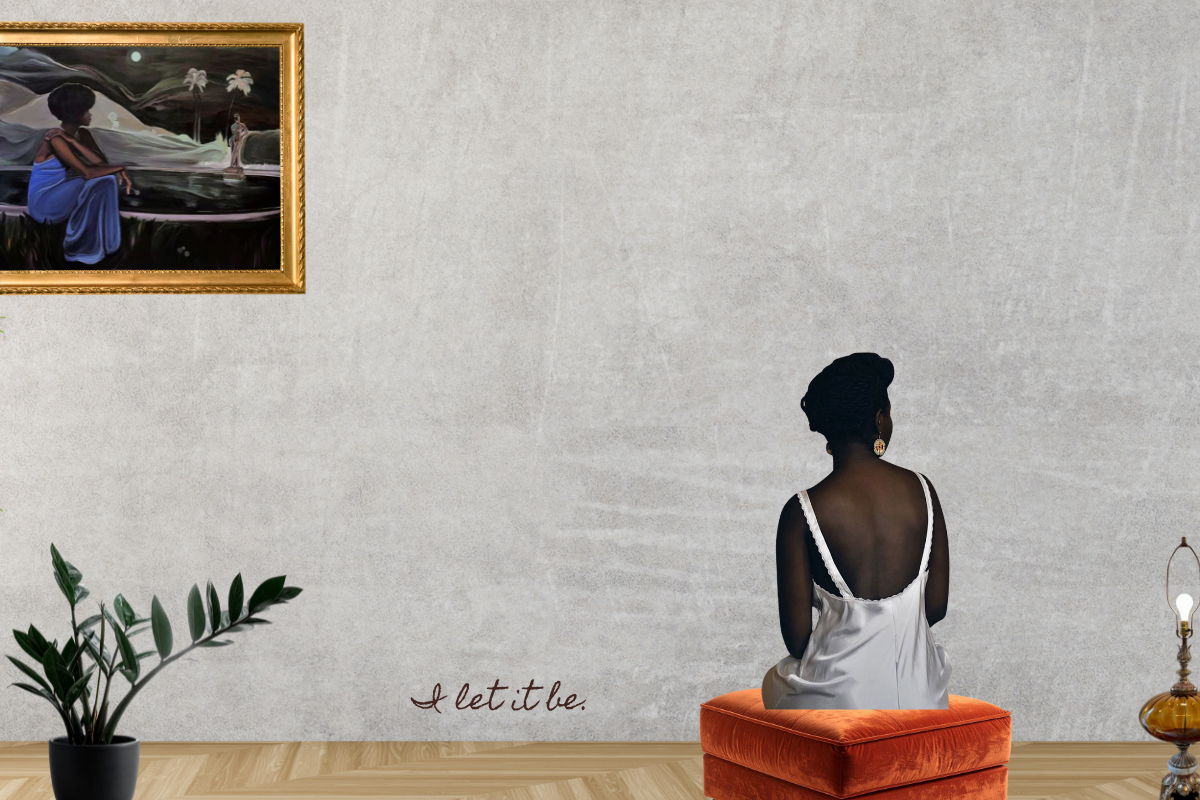
I’ve always given too much of myself in relationships.
Not big gestures or dramatic declarations. Just noticing what was needed and being there before anyone had to ask. Softening what could turn sharp. Being a good daughter.
It felt like attentiveness. Like duty. Like care.
I tracked moods. Anticipated needs. Smoothed tension before it had a chance to harden into conflict.
I didn’t ask whether it was my responsibility.
I assumed it was.
Someone’s cup was running low, so I refilled it. Someone said something careless, so I softened the impact. Someone was overwhelmed, so I took something off their plate. By the time I noticed what I was doing, I was already in motion.
And I was doing it everywhere — romantic relationships, friendships, family. I was the keeper of balance, the translator, the emotional buffer. The one who just handled it. The one people relied on without ever asking if I could carry it.
I was exhausted.
And I didn’t know why.
Where I Learned to Carry Everything
The first relationship I learned to over-function in was with my mother.
Poverty shaped the room, but it wasn’t the only heaviness we lived with. My mother carried grief. Trauma. An interior life that settled over the house even in silence. And all I wanted was to make her life easier. Better. Safer.
So I learned how to stay ahead of the house.
I woke my siblings up for school. Got them dressed. Kept things moving in the mornings so she didn’t have to. In the evenings, I quieted the house so she could sit with her thoughts in peace. I managed noise. Mood. Timing. I learned how to prevent problems instead of letting them surface.
In a very real way, I mothered my mother.
I took care of her.
I took care of everything.
Not loudly. Not resentfully. Effortlessly enough that it took years to notice the toll it was taking on me. It didn’t come from generosity — it came from attunement. From the belief that if I could keep things steady, everyone would be okay.
Including me.
If I smooth the tension, I can keep everyone safe.
If I anticipate, I can prevent.
If I stay useful, I stay loved.
That lesson didn’t stay in childhood.
It followed me into every relationship that came after.
The Weight of Being the One Who Handles It
And the cost built slowly.
You always feel it in the spirit first.
A dimming. A fatigue you keep rationalizing. You tell yourself it’s temporary. That you can handle it. That this is just what care requires.
Then it moves into the body.
You carry it in your posture — the way your shoulders round forward, like you’re holding onto a weight that never quite comes off. You carry it in a jaw that’s always clenched, holding tension you haven’t named yet. In exhaustion that makes you tired all day and wired at night.
You’re carrying something so heavy it feels baffling that no one can see it.
I resented them for not noticing.
But I had trained them not to.
I believed the relationship only worked if I kept it working. That being self-sufficient made me easier to love. That if I needed too much, the whole thing might collapse.
What I was calling care didn’t create intimacy.
It replaced it.
I was so busy holding everything together that no one ever had to hold me.
What Happened When I Pulled Back
Pulling back did not look dramatic at first. It looked like doing less of what had once felt automatic. Keeping my thoughts to myself when I would have offered advice. Letting discomfort sit instead of soothing it. Not swooping in to fix something the moment a problem was presented.
Sometimes I let silence stay silence.
That silence was uncomfortable, but now it was shared. The weight didn’t disappear. It just stopped living exclusively in my body. Other people had to meet their own consequences. Sit with their own feelings, figure things out without me managing the outcome.
That was unsettling.
Underneath all of it was something deeper than habit: control. Safety had always looked like staying ahead — reading the room early, catching the shift before it became a storm. Nothing would be demanded of me that I couldn’t carry.
Letting go gave me freedom to choose.
I couldn’t choose other people’s reactions, but I could choose what I reached for. What I carried. What I left where it belonged.
Some relationships didn’t survive that shift.
Learning to Be Met
Being cared for asks a different kind of openness.
It requires showing up as yourself — not as the manager, not as the buffer, not as the one who already knows what needs to be done. It requires letting your needs be visible. Letting someone else solve a problem. Letting care move toward you without intercepting it.
You’re allowed to want things.
You’re allowed to need support.
And someone else is allowed to meet you there.
But you can’t receive care if you’re always armored to give. If you’re closed off to being helped. If you’re so practiced at managing that you don’t know how to be met.
For the first time, I wasn’t managing.
I was responding.