It’s 10:46 p.m., and the glow from my iPad mini is the only light in the room. I unplug the charger and finally turn over in bed. My mind’s too busy to sleep, so I open TikTok — the universal lullaby. A woman is showing off her massive Bratz doll collection. Awe moves through me. I smile. In the last few years, Bratz have made a comeback, reintroduced for today’s youth.
I’d recently bought the re-released Sasha doll myself and it brought me ridiculous joy. The kind of joy that only comes from buying something your younger self dreamed of. Adult money really does hit different when you use it to heal the kid inside you.
So watching this woman showcase her collection made me want to expand mine. After all, Sasha needed a friend. I went hunting for one doll in particular: Campfire Felicia, the same one I got brand-new years ago. I found her reproduction. The new version wasn’t quite the same — the makeup off, the finish too matte — so I started searching eBay and Mercari for the originals. Before I knew it, I was deep in the world of “vintage Bratz dolls.”
Then I saw them: New. In. Box.
I couldn’t believe it. After all these years, people were selling them brand-new, never opened. And suddenly, I needed them. Not just wanted — needed.
Checkout was as easy as pressing a button. Ordered. Confirmed. Complete. A surge of euphoria, then sleep. And that became my ritual for a week straight.
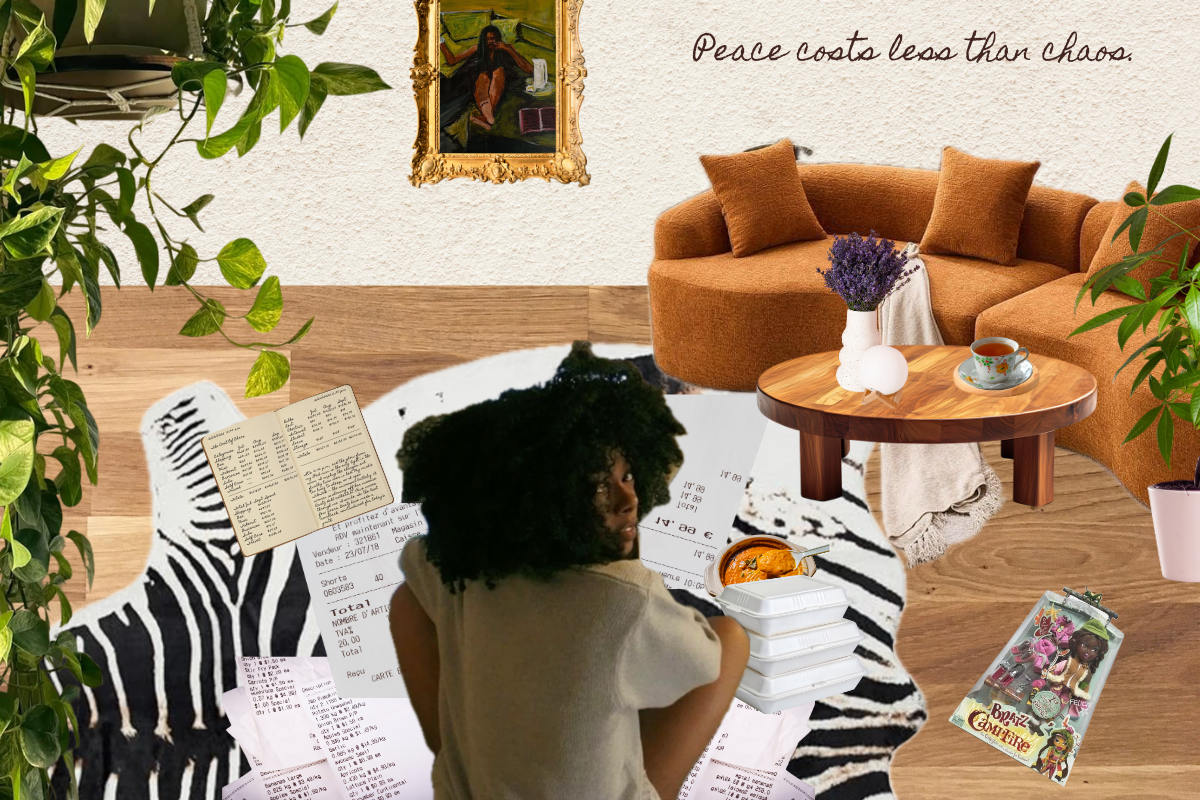
When the dolls stopped arriving, I found something else to click “buy now” on. Vintage holiday Barbies. Then takeout. Taco Bell. Pizza. Dave’s Hot Chicken. Butter Chicken and garlic naan. Whatever I wanted, right when I wanted it. I love cooking, but I hate dishes, and sometimes they’d sit in the sink for days until the gnats arrived or my energy returned. Ordering out was easier. No dishes. No mess. Just a press of a finger and the illusion of peace.
The Pattern
It all came to a head one evening when I decided to sit down and look at my finances. I’d been doing this periodically but wanted to make it more of a routine.
August was the worst of it. I stared at the total and sighed. The number was high enough to stop me in my tracks.
I’d been so careful to build this new version of myself — the one who has her life together, who understands money, who helps other people figure it out. But the statements didn’t lie. I was spending like the wound was still fresh, like I was still trying to prove something to the little girl who never got the things she wanted.
When I looked closer, patterns emerged.
The dolls were nostalgia. A rush of recognition. A gift to the child in me who had learned not to ask for the real thing.
The takeout was something else. Relief. Convenience. A way to soften the relentless labor of caring for myself and, often, other people too.
The pattern wasn’t about the purchases themselves; it was about the ease of them. One tap and done. If I’d had to type out my card info each time or go out and buy them, I probably wouldn’t have. They made it too easy to checkout — too easy to blur comfort with care.
What My Spending Was Really Saying
Looking back, I can see what I was really doing. I was trying to rewrite the past. Growing up, I got hand-me-downs. Off-brand versions of what I actually wanted. That ‘we have that at home’ line that meant I’d never get the real thing. At some point, I learned that wanting made me greedy. Asking for too much made me a burden. So I stopped asking.
But now? With my own money I could reverse every “no” I’d ever heard. I could be the adult who finally said yes to little me. And I was saying yes so loudly, I didn’t stop to ask whether grown me could sustain what I was promising.
I was also spending to escape the endless labor of caring for myself. Cooking. Cleaning. Working. Surviving. It’s a lot when there’s no one else to share the load. Takeout wasn’t laziness; it was relief. The cost of chaos was peace, even if it only lasted through one meal.
My spending revealed that I was trying to ease the burden of doing life alone. It was inner-child healing mixed with burnout, with a side of “I can finally afford this, so I deserve it.”
But I also deserved relief that didn’t leave a mess behind.
I needed peace to become structural, not occasional.
What I’m Building Instead
So I started creating rituals that make peace the default, not the prize.
First came the “wait until morning” rule. Most of my impulse buys happened at night, so now I leave the tab open and sleep on it. Morning me has more clarity. Half the time, I forget about it completely.
Then came meal prep Sundays. Grocery shop Saturday, cook Sunday. I keep it simple: rice, rotisserie chicken, veggies. Enough to remix into bowls, salads, or pasta through the week. Cooking became less of a chore and more of a self-date.
Then routine cleaning. Each room has a day. Kitchen Mondays. Bathroom Tuesdays. Living room Fridays. Waking up to a tidy home gives me a kind of steadiness I used to try to buy.
And finally, financial boundaries that honor joy. I still buy what I want. I just pause long enough to ask, do I really want this, or do I just like knowing I could have it?
The Calm After
I still scroll sometimes. I still feel the pull of being able to have what I once had to go without. I still understand, deeply, the comfort of one-click relief.
But now I notice what the impulse is asking for before I answer it.
Homeostasis feels different than it used to. Fresh linen on the bed. A sink without dishes. Nourishing food made by me, for me. Bank statements that don’t surprise me. A home that feels tended to instead of barely managed.
Peace isn’t the absence of chaos. It’s what happens when you love yourself inside it.
So what is your spending trying to tell you?
What need is sitting underneath it?
And what would it look like to meet that need in a way you can actually sustain?